Who this suits
Selling to private equity suits an owner who wants to take most of the value off the table now but is open to staying involved for a few years, either running the company or helping a successor settle in. It works best for companies with steady profits, a team beyond the owner, and room to grow, whether by winning customers, adding locations or buying smaller competitors.
It suits less well if you want a clean break on day one, if the business depends heavily on you personally, or if profits swing sharply from year to year. Lenders and funds both price that risk.
How it works
- The fund raises money from investors (pension funds, insurers, wealthy families) and commits to invest it over several years.
- It buys your company through a new holding company, paying with roughly half equity from the fund and half bank debt, sometimes with a smaller loan from you (a seller note).
- The debt sits on your company's balance sheet and is repaid from its profits. This is the "leveraged" in leveraged buyout, and it is why a fund cares so much about steady cash flow.
- You often reinvest part of your proceeds in the new holding company. This is called rolling over equity and gives you a share of the next sale.
- The fund works with management to grow profits: new customers, better pricing, systems, and often acquisitions of smaller competitors (add-ons).
- After four to seven years the fund sells, often to a larger private equity firm or a strategic buyer. You receive your share of that sale: the second bite.
Platform or add-on? If the fund is buying your company as its first in a sector, you are a platform: they are buying your management team as much as your profits. If they already own a similar business and are adding yours to it, you are an add-on: they are buying customers, locations or capabilities, and integration matters more. Add-ons can command a premium because the buyer expects cost savings. In the first half of 2025, add-on deals averaged about 0.3 turns of EBITDA more than platform deals, according to GF Data.
A worked example
Our illustrative company is a family-owned precision fabricator in Ohio with $4.0 million of EBITDA. A fund agrees to buy it for $24 million (6.0 times EBITDA), funded with $10 million of debt and $14 million of equity. The owner rolls $2.4 million (10% of the price) into the new company, which gives him about 17% of its equity.
| At closing | Five years later, if things go well | Five years later, if they don't | |
|---|---|---|---|
| Company EBITDA | $4.0m | $5.5m | $3.5m |
| Sale value | $24.0m | $33.0m (6.0x) | $19.3m (5.5x) |
| Debt outstanding | $10.0m | $4.0m | $6.0m |
| Equity value | $14.0m | $29.0m | $13.3m |
| Owner's cash | $21.6m | + about $5.0m | + about $2.3m |
In the good case, the owner receives about $26.6 million in total, compared with $24 million for selling everything at once. In the weaker case, the rolled stake returns roughly what was put in. The figures leave out fees, taxes and the working-capital adjustment at closing, and in practice a share of the equity is usually set aside for the management team, which reduces everyone's percentage. The point is the shape, not the numbers: the rollover is a bet on the business, made alongside a partner whose job is to make it pay.
Approached by a private equity firm, or wondering whether to invite one? We can tell you which funds buy companies like yours.
Book a confidential callWhen you get paid, and what you give up
- At closing: most of the price in cash, less any amount held back to cover claims (an escrow, or a small retention where the buyer uses warranty insurance).
- Later: your rolled stake, at the fund's exit. You don't control the timing; the fund does.
- Sometimes: an earn-out, if you and the buyer disagree on what next year looks like. See our guide to earn-outs.
- What you give up: control. The fund will appoint the board, set budgets, approve large spending and decide when to sell. If you stay as CEO, you will report to that board.
- What you take on: debt on the company you built. Sensible leverage is manageable; too much leaves little room in a bad year.
What to negotiate beyond the headline price
Two offers at the same price can be worth very different amounts. The details that matter most:
- How the price is paid: cash at closing, rollover, seller note, earn-out. Compare offers on cash at closing and on risk, not only on the headline.
- Debt: how much the fund plans to borrow against your company. Lower leverage leaves your rolled stake safer.
- Your rollover terms: the same price per share as the fund, the right to sell alongside the fund (tag-along), information rights, and ideally a board seat.
- Working capital: the "normal" level of working capital the business must deliver at closing. A badly set target can move the price by hundreds of thousands of dollars.
- Your role: title, reporting line, length of commitment, and what happens if you leave early.
- Your people and your name: commitments on key employees, location and the company's name are easier to agree before signing than after.
- Exclusivity: once you sign a letter of intent, you usually cannot talk to other buyers for 60 to 90 days. Agree the important points before that, while you still have competition.
Tax and legal points to raise with your advisors
This is not tax advice; these are the questions to put to your own tax advisor early, ideally before you talk to buyers.
- Stock or asset sale: buyers often prefer to buy assets (or treat a stock purchase as one) for tax reasons; sellers usually prefer a stock sale. For S corporations, structures exist that give both sides most of what they want. See our guide to asset and stock sales.
- Tax on the rollover: the rolled portion can often be structured so that tax on it is deferred until the fund's exit. This needs to be designed into the deal, not added at the end.
- State taxes and the timing of closing can change the after-tax result materially.
- Estate planning: transferring shares to family trusts is far more effective well before a sale than after an offer is on the table.
How ExitBuy helps
Private equity firms buy hundreds of companies your size every year, but each one has its own sectors, size limits and way of working. We identify the funds that are actually buying in your sector and size range, approach them confidentially, and run a process in which several are bidding at the same time. We then compare offers on what you will actually receive and the risk you keep, not just the headline price, and negotiate the terms above while you still have choices. If an outright sale or another route suits you better, we will say so.
Frequently asked questions
Do private equity firms buy companies as small as mine?
Yes. Many funds specialize in companies with $1-5 million of EBITDA, and add-on acquisitions by larger funds start smaller still.
Will I have to stay after the sale?
Usually for a period, often one to three years, as CEO or in a transition role. Some funds bring in a new CEO from the start; that is a point to agree early.
Will they cut jobs?
Funds buying a profitable company to grow it rarely make large cuts; growth needs people. Add-on deals involve more integration, such as shared accounting or purchasing. Ask each bidder for its plan.
What is a "second bite of the apple"?
The payout on your rolled stake when the fund sells. It can be substantial, but it is not guaranteed.
How long does it take?
Typically six to nine months from preparing materials to closing, of which two to three months are spent on the buyer's due diligence.
Is my company's name and history safe?
Most funds keep a well-regarded local name, especially for a platform. If it matters to you, make it part of the negotiation.
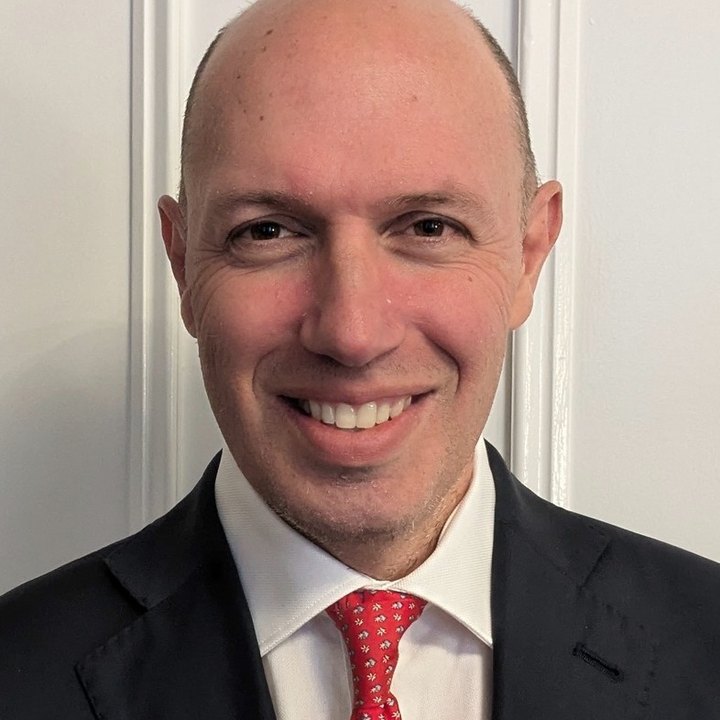
Mauro Terrinoni, CFA, founder of ExitBuy Co. 25 years in investment banking and private equity, including at JP Morgan, Citigroup and Fortress Investment Group, and has bought, run and sold a company as its owner.
General information only, not investment, legal or tax advice. Figures are illustrative. Tax rules change; confirm current law with your own advisors.