Who is buying
Strategic acquirers. Larger food companies buying capacity, a category, a certification or a geography. Often the highest payers, because they can take cost out, though they also integrate hardest.
Private equity. Both platforms in specialty food and add-ons to existing holdings. Very active in co-packing and ingredients, where contracts and capacity are the asset.
Family offices. Notably active in long-established family food businesses, often attracted by heritage brands and willing to keep the name, the plant and the people. Our Deal Notes include several.
Distributors and ingredient suppliers moving into manufacturing.
What moves the price in this sector
- Contracts, and their length. A co-packer with multi-year agreements and committed volumes is valued quite differently from one running on purchase orders.
- Customer concentration. Common in this sector and heavily scrutinised. Losing one retailer or one brand customer can halve a co-packer's utilisation.
- Food safety record. SQF, BRCGS or similar certification, audit scores, and any recall or FDA inspection history. A clean record is worth real money; a recall in the file will be found and will be priced.
- Capacity utilisation and the cost to add more. Buyers pay for headroom. A plant running at 90% with no room to grow is worth less than one at 60% with installed capacity.
- Margin durability through input swings. Whether you have passed commodity cost increases through, and how quickly, is one of the clearest signals of pricing power.
- Private label against branded mix, and for branded businesses, distribution, velocity and shelf position.
- Labour, availability and turnover, particularly for businesses in tight rural labour markets.
- Capital expenditure deferred. Ageing lines and equipment are priced straight off the offer.
For context, GF Data reports average multiples of 6 to 7 times EBITDA for private-equity deals involving companies valued at $10-25 million, though this varies considerably across sectors and company size.
Thinking about selling a food or beverage business? Start with a confidential conversation about value and timing.
Book a confidential callWhat buyers examine in diligence
- Food safety certification, full audit history and every corrective action.
- Customer agreements and the real commitment behind them: volumes, exclusivity, termination rights, price adjustment mechanisms.
- Product-level and customer-level margin, which many owners have never built and which a buyer will build anyway.
- Line capacity, downtime, yield and waste.
- Capital expenditure history and the plant's deferred maintenance.
- Any recall, complaint, allergen or labelling history.
- Environmental and wastewater matters, which in food processing are frequently the slowest item in a closing.
- Real estate and cold storage arrangements.
How ExitBuy helps
The buyer universe for a food business is wider and more varied than most owners realise, and the right buyer depends on whether value sits in the plant, the contracts or the brand. We work out which, identify the strategic acquirers, funds and family offices that buy businesses like yours, approach them confidentially, and run a competitive process. We then compare offers on cash at closing, what is deferred, and what commitments each buyer will make about the plant and the people.
The first consultation is free and carries no obligation.
Frequently asked questions
Is a co-packer worth less than a branded business?
Not necessarily. A co-packer with long contracts and good utilisation can be worth more than a brand with thin distribution. They are valued on different things.
A recall is in our history. Does that stop a sale?
No. It will be found, so it is better disclosed and explained early, with the corrective action and what has changed since.
Will the buyer keep the plant open?
A buyer acquiring capacity generally will. A strategic buyer with a nearby plant may not. Ask each bidder and, if it matters to you, make it part of the negotiation while you still have competition.
We are a family business and the name matters.
Family office buyers in particular often keep names, and several have made that a selling point. It is a term you can negotiate.
How long does it take?
Typically six to nine months, and longer where environmental or wastewater matters need resolving.
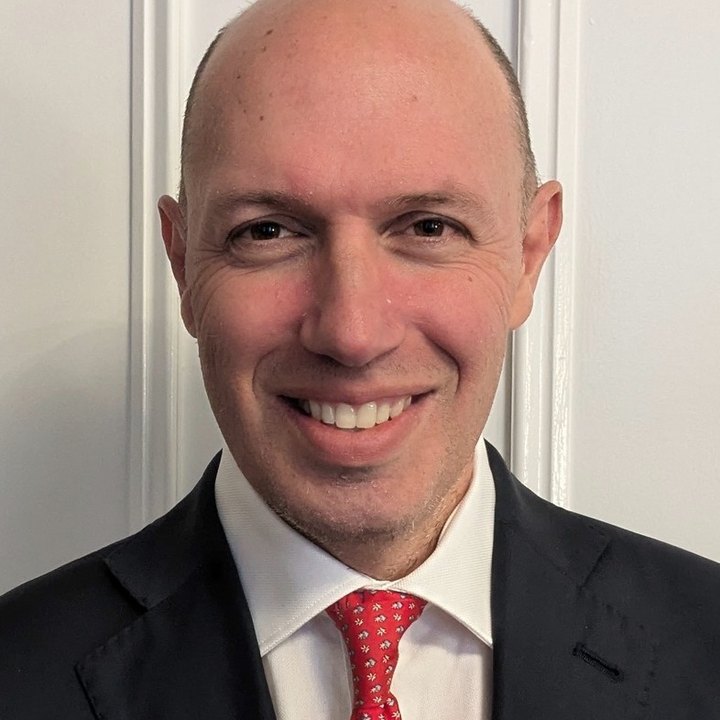
Mauro Terrinoni, CFA, founder of ExitBuy Co. 25 years in investment banking and private equity, including at JP Morgan, Citigroup and Fortress Investment Group, and has bought, run and sold a company as its owner.
General information only, not investment, legal or tax advice. Figures are illustrative. Market conditions change; confirm current terms with your own advisors.