Who is buying
Strategic acquirers. Larger chemical companies buying a formulation portfolio, a customer base, a geography or a capability. They are generally the most informed buyers in the room and frequently the highest payers, because they can see synergies an owner cannot.
Chemical-focused private equity. A number of funds specialise in this sector and know it extremely well. They buy platforms and add formulators around them.
Distributors moving upstream into blending and private label manufacture.
Diversified industrial acquirers seeking higher-margin, less cyclical revenue than their core.
What moves the price in this sector
- Proprietary formulations, and whether they are genuinely protected. A formulation that exists only in the founder's head is a risk; one that is documented, protected and transferable is an asset. This is the single most sector-specific item on the list.
- Regulatory position. TSCA inventory status, REACH registrations where you export, state-level registrations, and product approvals. These take time and money to replicate, so they are value, and gaps in them are discount.
- Environmental history and permits. Air, wastewater and hazardous waste permits, past releases, remediation obligations and historical site use. In this sector environmental diligence is the single most common cause of delay, renegotiation or a deal failing. It is worth understanding your own position before a buyer does.
- Customer concentration and the switching cost. A customer who has qualified your product into their own specification is far stickier than one buying on price, and buyers price that difference.
- Raw material exposure and pass-through. How quickly you have historically passed input costs on, and whether contracts allow it.
- Technical staff. Chemists and formulators who hold the know-how, and whether they will stay.
- Batch records and quality systems, ISO certification, and the traceability a buyer needs to defend the product after closing.
For context, GF Data reports average multiples of 6 to 7 times EBITDA for private-equity deals involving companies valued at $10-25 million, though this varies considerably across sectors and company size.
Specialty chemicals is one of the most consistently acquisitive sectors in the middle market. Find out who would want your business.
Book a confidential callWhat buyers examine in diligence
- Environmental: Phase I and often Phase II site assessment, permit compliance history, waste manifests, any notices of violation, and historical uses of the site. Start this early.
- Regulatory: product registrations, TSCA and REACH status, safety data sheet accuracy, and any product stewardship obligations.
- Formulation documentation, intellectual property protection, and who else knows what.
- Customer qualification status, specifications and the cost to a customer of switching away.
- Raw material supply agreements and single-source exposure.
- Product liability history, insurance, and any open claims.
- Plant condition, batch capacity, and deferred capital expenditure.
How ExitBuy helps
Buyers in this sector are specialists and they diligence hard, particularly on environmental and regulatory matters. The sellers who do well are the ones who understand their own position before the process starts and can answer those questions with documents rather than assurances. We identify the strategic acquirers and sector funds active in your niche, approach them confidentially, run a competitive process, and work with your environmental and regulatory advisers to get ahead of the issues that would otherwise cost you price at the end.
The first consultation is free and carries no obligation.
Frequently asked questions
Our formulations are not patented. Does that reduce the value?
Not necessarily. Trade secret protection is common and accepted in this sector. What matters is that the formulations are documented, controlled and transferable rather than held informally.
We have a legacy environmental issue. Can we still sell?
Usually, yes. Known and quantified issues get priced or insured. Issues discovered by the buyer mid-process cost far more, in price and in leverage.
Who pays more, a strategic buyer or a fund?
Often the strategic, because it can take out cost and sell your products through its own channels. Funds can compete on terms, on what happens to the team, and on letting you keep a stake.
Should I talk to a competitor?
They may be the best buyer, but they are also the party you least want walking away having seen your customer list. That is a process to manage carefully, with staged disclosure.
How long does it take?
Typically six to nine months, and environmental diligence can extend it.
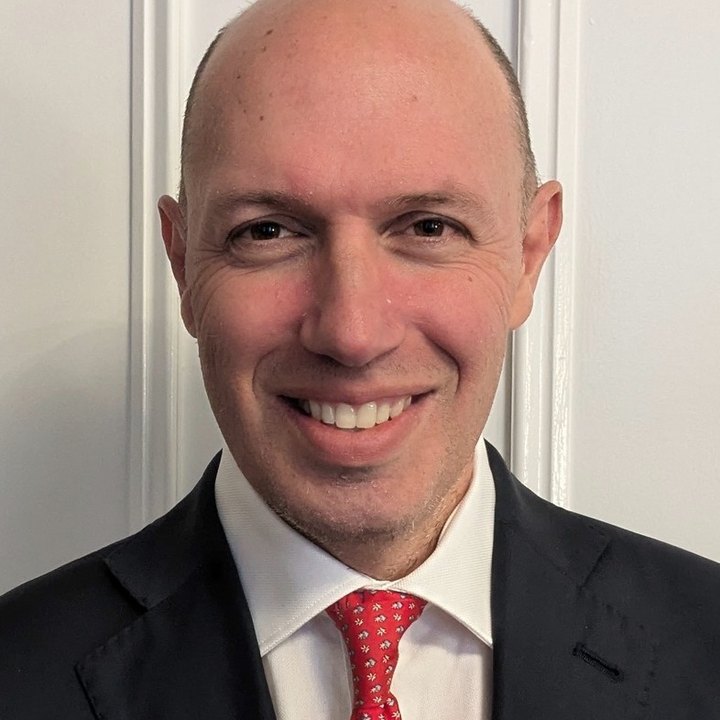
Mauro Terrinoni, CFA, founder of ExitBuy Co. 25 years in investment banking and private equity, including at JP Morgan, Citigroup and Fortress Investment Group, and has bought, run and sold a company as its owner.
General information only, not investment, legal or tax advice. Figures are illustrative. Market conditions change; confirm current terms with your own advisors.